
Jul 9, 2026 / Logistics Insights
How to Choose the Right Freight Partner: A Practical Buyer's Guide
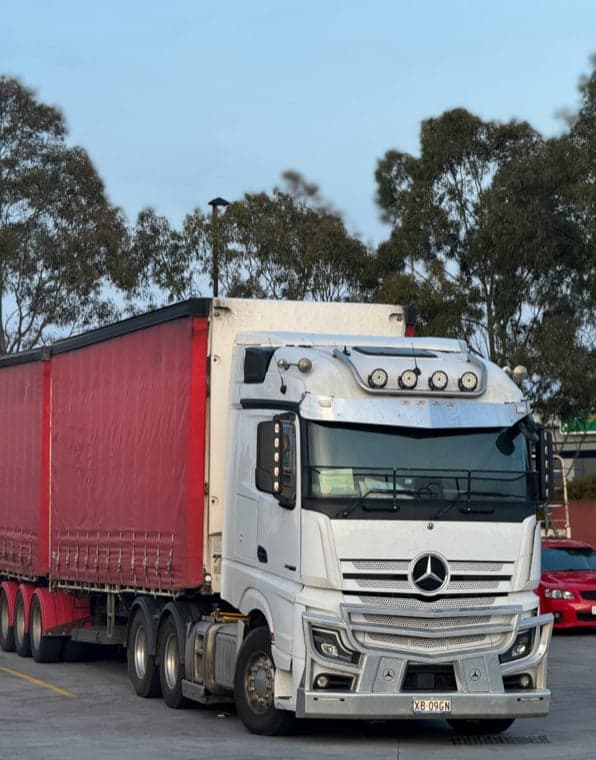
Most shippers evaluate freight partners the same way: request a few quotes, pick the lowest number, move on. It works — until the first missed pickup, the first surprise accessorial charge, or the first time a shipment goes quiet in transit and no one can tell you where it is. Rate is one input into a much bigger decision.
Start with your actual shipping profile
A partner who excels at full truckload dry van freight isn't necessarily the right fit if half your volume is temperature-controlled or oversized. Before comparing providers, get specific about your own profile: shipment frequency, freight class, geography, seasonality, and how much of your volume is time-sensitive versus flexible.
Ask how they handle exceptions, not just the happy path
Any provider can move freight when nothing goes wrong. What separates a good partner from a forgettable one is what happens when something does — a delay, a damaged pallet, a carrier falling through last minute. Ask for a specific example of how they've handled a disrupted shipment, and how quickly they communicated it to the customer.
“You don't really know your freight partner until something goes wrong. Ask them to tell you about the last time it did.”
Look for visibility, not just promises
"We'll keep you updated" is not a system. Ask what tracking and reporting actually look like day to day — can you see shipment status without calling, can you pull historical performance data, is there a single point of contact who knows your account. Visibility is what turns freight from a black box into something you can actually plan around.
Weigh total cost, not just the quoted rate
Accessorial fees, detention charges, claims handling, and how often a quoted rate holds versus creeps upward are all part of the real cost of a freight partner. A slightly higher base rate from a provider with fewer surprises is very often the cheaper option once a full shipping cycle plays out.
The right freight partner should feel less like a vendor you re-negotiate with every quarter and more like an extension of your own operations team — one that tells you about a problem before you have to ask. That's worth more than the lowest line-item rate, almost every time.